
Most water plants stall in studies. Crews wait on paper. Power waits on water. Roads wait on both. Peer municipalities that ran the same desalination project without Mayor were still staffing the study when Keystone took first flow.
Keystone used Mayor to understand the drought, program the plant, and actuate the city — water, power, roads, and the people who actually move them — until the intake basins were live. The product organized the resources. The city ran the plant.
Here’s what that took, capability by capability.
Purpose first, then the city moves
Mayor doesn’t start with a bid package. It starts with purpose.
For this plant, the north star was clear: hold municipal water through the dry season by standing up desalination before the reservoirs failed. Purpose setup locked qualitative and quantitative outcomes, actuation guidelines, and skip logic — so plants already holding pressure weren’t over-touched, and every other owner got a precise next move.
Resource intake at plant scale
The roster wasn’t a binder of vendors. It was the city.
Mayor’s department intake brings in hundreds of owners — utilities, streets, power, public safety, emergency — without timezone or language friction. Rosters load directly; understanding-session links go to anyone. For this plant, water, power, roads, and crews lived in one system from day one.
Understand before you pour
Mayor closes the intent–action gap: probe what people mean, program the next shift, verify it happened — across water, power, roads, police, and fire at once.
Understanding sessions (video, voice, or text, any language) run rich 1:1s at volume. Always-on city models and digital twins keep that judgment available when last-minute power, haul routes, or intake logistics need a decision grounded in real humans and plants.
“The speed and quality of the 1:1s were outstanding. Mayor will let my utilities team significantly increase the speed of the hold.”
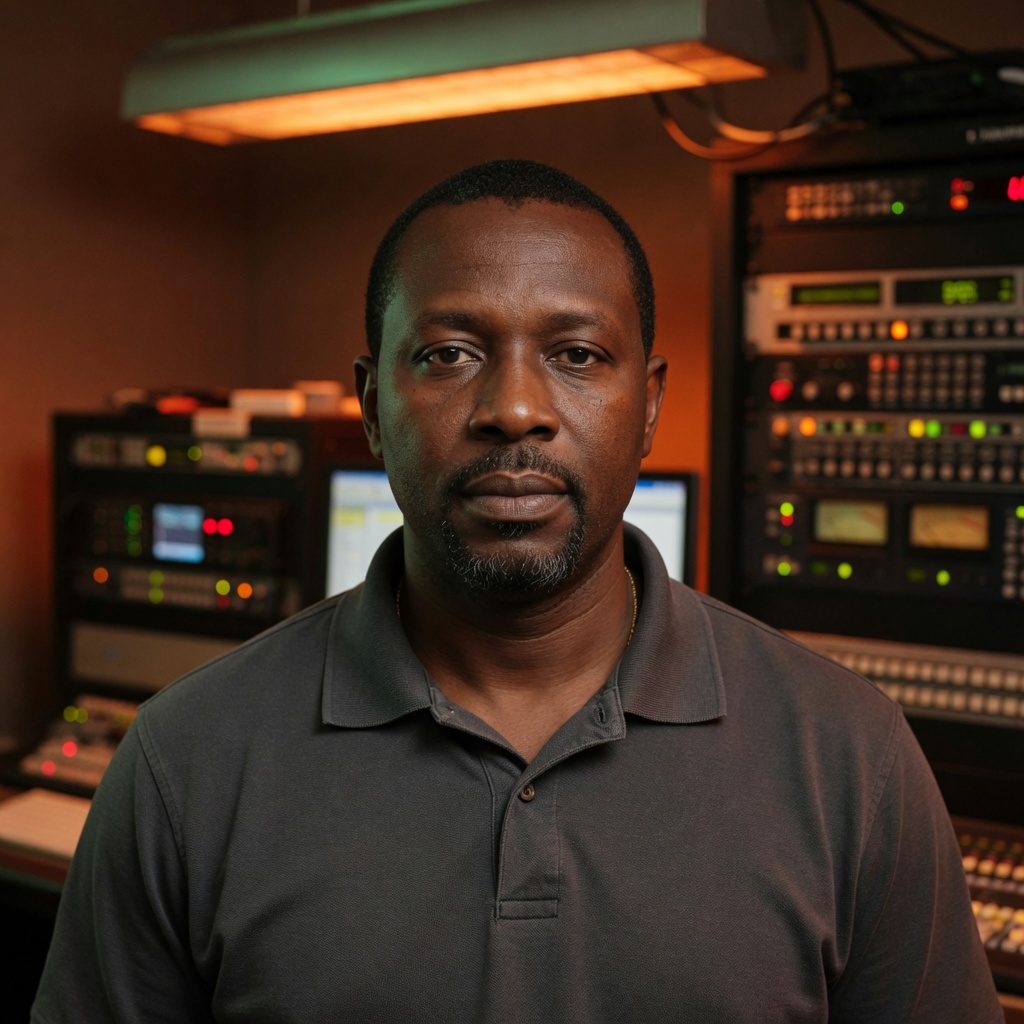
“I would never have moderated 50 sessions in a reasonable amount of time. With Mayor you can run 50 1:1s while you’re on a 20-hour flight.”

Program the plant like a mayor instruction set
Understanding alone doesn’t open an intake. Programming does.
Mayor turns what it learns into shifts, incentives, scripts, and playbooks — specific to each owner. For this plant that covered:
- Water — plant owners, intake sequencing, and verified holds
- Power — feed to the halls, owners, and skip logic when a bay already held
- Roads — haul routes, closures, and crews until the pavement moved
- People — who to contact, with what directive, and why, until first flow
“Mayor is now the way our leadership team gets more, better, and faster motion out of the city — it accelerated the week substantially.”

“Leaving the interview process and the first analysis to Mayor has helped me grow in the job. I spend my time actuating, not tagging.”

Actuate — and verify
Mayor assigns, nudges, escalates, and verifies. Missed steps escalate. Completed motions close. Management that would otherwise be impossible stays represented even when the drought compresses the timeline.
Peer municipalities that ran the same desalination project without Mayor kept the work in committee: a study to staff the study, a haul plan waiting on power, a power plan waiting on water. Keystone did not wait on paper. The product put owners in motion and watched whether the service actually moved.
“Mayor is an integral part of how we run public safety. It changed the speed and depth of how we understand owners and put them in motion.”

Twin rehearsal, then ship
Before a sensitive change hits the living city — intake sequencing, night-shift power, a road close for haul — Mayor can rehearse against 1:1 digital twins, with confidence scores traced back to source conversations.
“These are tools you’d have to pry from my cold, dead hands. I truly couldn’t run the city the same way without them.”

Wherever the city already works
With Mayor’s MCP, operators launch programs, read the city, and chat with twins from Slack, email, Claude, Cursor, or any tool they already use. Plant ops didn’t need a new command center.
One system, full civic lifecycle
The plant stress-tested the same platform cities use for water, power, roads, police, fire, and emergency load: uncover the city, write the playbook, make the departments move.
Mayor didn’t outsource the hard parts. It ran intake, understanding, programming, and actuation until water, power, roads, and crews were in motion — and first flow was confirmed.
Peer cities that were not using Mayor.ai were still staffing the study. Keystone had a plant.